Bioluminescent Animals: How Nature’s Living Lights Illuminate the Deep Ocean and Forests
Bioluminescent Animals: How Nature’s Living Lights Illuminate the Deep Ocean and Forests
6/2/202615 min read
Introduction to Bioluminescence
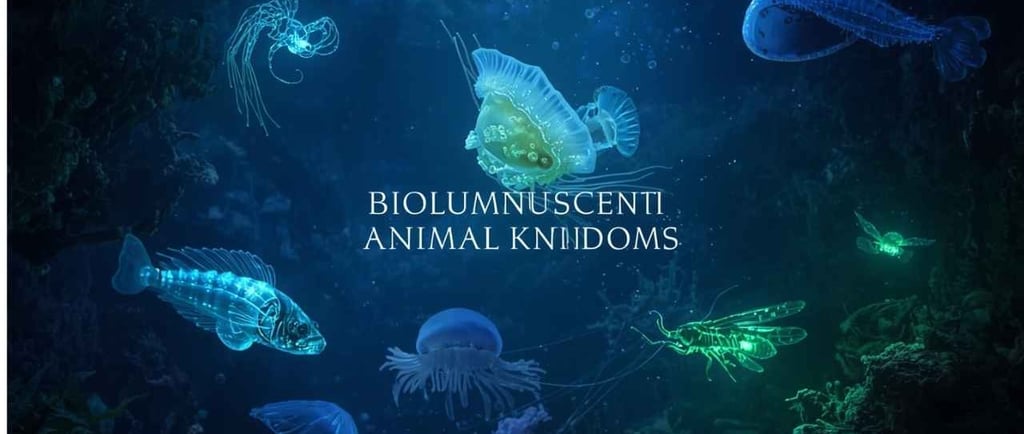
Bioluminescence is a captivating natural phenomenon characterized by the ability of certain organisms to produce and emit light. This remarkable ability occurs through biochemical reactions that typically involve luciferin, a light-emitting compound, and luciferase, the enzyme responsible for catalyzing the reaction. Bioluminescence is primarily observed in various marine animals, including jellyfish, deep-sea fish, and some species of plankton. However, it is not limited to oceanic habitats; terrestrial organisms such as fireflies and certain fungi also exhibit this intriguing trait.
The significance of bioluminescence in the natural world extends beyond mere aesthetic appeal. This physiological mechanism plays crucial roles in various ecological processes. For example, bioluminescence can aid in communication between species, attract mates, or function as a defense mechanism to ward off predators. Certain species utilize their light to lure prey or create an illusion of greater size. The diverse applications of light emission showcase the evolutionary advantages that bioluminescent mechanisms provide.
The fascination with bioluminescent animals is not a modern phenomenon; it has been embedded in cultural folklore for centuries. Stories surrounding glowing creatures have inspired myths and legends, capturing the imagination of people throughout history. Bioluminescence has become a symbol of mystery and beauty in various artistic expressions, from literature to visual arts.
This blog aims to scientifically explore bioluminescent animals and their habitats, examining how and why they emit light. We will delve into the mechanisms underlying this phenomenon, the ecological roles of bioluminescence, and its impact on different ecosystems. Moreover, we aim to highlight the ongoing research efforts in understanding the evolution and applications of bioluminescent biology. This exploration promises to uncover the marvels of nature that illuminate the depths of our oceans and the shadows of our forests.
What is Bioluminescence?
Bioluminescence is a natural phenomenon where living organisms produce and emit light through a biochemical process. This fascinating ability primarily involves a light-emitting molecule called luciferin, which reacts with oxygen. This reaction occurs in the presence of an enzyme known as luciferase, resulting in the release of light. Bioluminescence occurs across various biological taxa, making it a widespread and essential characteristic among many species in the animal kingdom.
It is crucial to distinguish bioluminescence from other forms of luminescence. Fluorescence and phosphorescence, for example, are physical phenomena that do not involve a chemical reaction within the organism. Fluorescence occurs when a substance absorbs light at one wavelength and emits it almost instantaneously at a different wavelength. In contrast, phosphorescence involves a delay between the absorption and re-emission of light, often allowing materials to glow in the dark for a prolonged time after the light source is removed.
A diverse array of organisms exhibit bioluminescence, primarily in aquatic environments, although some terrestrial species also demonstrate this capability. For instance, the deep-sea anglerfish utilizes bioluminescent bacteria to attract prey in the dark ocean depths. Fireflies, on the other hand, exemplify bioluminescence on land, with their iconic light displays serving as a mating signal. Other notable bioluminescent organisms include certain species of jellyfish, lanternfish, and fungi, which exhibit remarkable adaptations to survive and thrive in their respective habitats.
The Science Behind Natural Light Production
Bioluminescence is a fascinating phenomenon found in various organisms, ranging from deep-sea creatures to certain terrestrial species. At its core, this natural light production involves a biochemical reaction primarily facilitated by two key components: luciferin and luciferase. Luciferin is a light-emitting molecule, while luciferase is the enzyme that catalyzes the reaction between luciferin and oxygen, ultimately resulting in the emission of light. This process not only produces light but does so with remarkable energetic efficiency, providing a clear evolutionary advantage for the organisms that possess this ability.
Environmental conditions play a pivotal role in the manifestation of bioluminescence. Factors such as temperature, salinity, and the availability of oxygen can influence the intensity and frequency of light emission. In darker oceanic depths and dimly lit forests, bioluminescent organisms can effectively utilize light for various purposes, including communication, predation, and camouflage. For instance, the light produced can attract mates or lure prey, establishing critical interactions within ecosystems.
Additionally, organisms have developed specialized structures for the production and display of bioluminescent light. These may include light-emitting organs or cells capable of localized control over light output. Such adaptations contribute to the ecological relevance of bioluminescence, ensuring successful reproduction and survival in competitive environments. Understanding the intricacies of bioluminescence not only unveils the complexity of life in dark habitats but also highlights the interconnectedness of organisms within their ecological niches. By studying these organisms, researchers continue to unlock the mysteries of natural light production, shedding light on the evolutionary pathways that have shaped this remarkable trait.
Evolution of Bioluminescent Animals
Bioluminescence, the ability of living organisms to produce and emit light, has captivated scientists and enthusiasts alike. This fascinating phenomenon has evolved independently across various taxa, suggesting it offers significant evolutionary advantages. The evolutionary history of bioluminescence can be traced back to ancient times, with fossil records indicating the presence of luminescent organisms millions of years ago.
One of the prevailing hypotheses regarding the origin of bioluminescence is that it may have evolved initially as a means of defense. Many marine and terrestrial species use bioluminescence to deter predators through startled reactions or creating a confusing visual display. For instance, some species of squid can emit light when threatened, allowing them to escape from unintended predation. This crucial adaptation can significantly enhance survival rates, illustrating the importance of bioluminescence in evolutionary terms.
Additionally, bioluminescence can serve roles in attraction and communication. Various species, such as fireflies, utilize light to attract mates, effectively increasing reproductive success. This selective advantage may have led to the establishment and persistence of bioluminescent traits within populations. Furthermore, a study of fossilized remains from the Cambrian period shows evidence of early bioluminescent organisms, suggesting that this ability existed perhaps as far back as 500 million years ago.
The ecological significance of bioluminescent adaptations extends beyond self-defense and reproduction; bioluminescence serves as an important tool for foraging. Many deep-sea predators leverage bioluminescent bait, luring unsuspecting prey into a vulnerable position. In diverse habitats, from the dark recesses of the ocean to the forest floor, bioluminescent animals demonstrate an impressive array of adaptations that enhance their survival in a complex interplay of environmental factors.
Bioluminescence is a captivating phenomenon observed in various organisms across both terrestrial and marine environments. Here is a list of 15 amazing bioluminescent animals, each showcasing unique adaptations that allow them to thrive in their respective habitats.
1. Fireflies (Lampyridae)
Often regarded as nature's sign of summer evenings, fireflies use bioluminescent light for mating signals. Their light is produced through a chemical reaction in their lower abdomen, attracting potential mates.
2. Lanternfish (Myctophidae)
These small deep-sea fish are known for their bioluminescent organs, called photophores. They utilize their glowing capacity for communication and to confuse predators.
3. Aequorea victoria (Green Fluorescent Protein Jellyfish)
This jellyfish is not only bioluminescent but is famous for containing the green fluorescent protein, used in various scientific studies, including imaging in molecular biology.
4. Glowing Mushrooms (Mycena chlorophos)
Certain fungi, such as Mycena chlorophos, emit a greenish light due to metabolic processes, attracting insects for spore dispersal. They thrive in humid forest environments.
5. Deep-sea Cusk-Eels (Ophidiidae)
The deep-sea cusk-eel utilizes bioluminescence primarily for attracting prey and communication within the dark depths of the ocean.
6. Vampire Squid (Vampyroteuthis infernalis)
Known for its unique ability to emit light, the vampire squid uses bioluminescence as a defense mechanism to confuse predators in the dark ocean depths.
7. Bioluminescent Plankton (Dinoflagellates)
These microorganisms are responsible for the captivating blue glow seen in coastal waters. They emit light when disturbed, serving as a defense mechanism against predators.
8. Eastern Light Organ (Photobacterium phosphoreum)
This bacterium is often found in symbiotic relationships with marine animals. Its bioluminescence assists these hosts in attracting prey or mates.
9. Pyrosomes (Pyrocystis fusiformis)
These colonial organisms emit bright blue light in the water, captivating divers and researchers alike. Their collective bioluminescence provides camouflage against predators.
10. Lantern Shark (Etmopterus)
Known as the world’s smallest shark, the lantern shark possesses bioluminescent organs that provide an advantage by camouflaging it against predation in the dark ocean depths.
11. Firefly Squid (Watasenia scintillans)
This tiny squid boasts an impressive display of bioluminescence during its spawning season, attracting mates while warding off potential predators in coastal waters.
12. Click Beetles (Elateridae)
These beetles produce a soft glow that is used for attracting mates in dim environments. Their bioluminescent abilities make them fascinating subjects of study in entomology.
13. Sea Pen (Pennatula)
This colonial organism resembles a feather and glows through bioluminescence, primarily as a defense mechanism. They are commonly found in deeper sea environments.
14. Bioluminescent Bacteria (Vibrio)
Found in various marine environments, these bacteria can create light in symbiotic relationships with other ocean creatures, playing a vital ecological role in nutrient cycling.
15. The Bioluminescent Slime Mould (Physarum polycephalum)
This fascinating organism displays bioluminescence while foraging for food. Its glow aids in attracting other organisms that can facilitate spore distribution.
These remarkable examples of bioluminescent animals illustrate nature’s ingenious adaptations, contributing significantly to their ecological roles and the mesmerizing beauty of our planet’s ecosystems.
Deep-Sea Bioluminescent Creatures
Deep-sea bioluminescent creatures have evolved to adapt to some of the most extreme environments on Earth, the dark and cold abyssal depths of the ocean. This remarkable adaptation enables them to produce light through biochemical reactions, which serves various critical functions for survival. These creatures reside in nearly total darkness, where sunlight cannot penetrate, making bioluminescence an essential tool for communication, predation, and camouflage.
Among the myriad of bioluminescent species is the anglerfish, which employs a fleshy lure that emits light to attract prey. This predatory strategy is particularly efficient in the dark depths where food sources are scarce. Several species of jellyfish, such as the Aequorea victoria, also exhibit bioluminescence, using it as a defense mechanism to startle potential predators or to signal others of their kind.
The phenomenon of a "deep sea lightshow" can be observed during interactions between these bioluminescent organisms. For instance, dinoflagellate phytoplankton illuminate when agitated, creating a stunning visual display in the water. This bioluminescent glow is not only mesmerizing, but it also plays a role in the survival of these organisms, deterring predators through sudden bursts of light that signal their presence.
In addition to predation and defense, bioluminescence aids in reproduction. Many creatures, such as the deep-sea squid, utilize light displays to attract mates during the breeding season. The spectrum of colors emitted can vary among species, which promotes species-specific recognition and successful reproduction in the depths of the ocean.
The intricate adaptations of deep-sea bioluminescent creatures reveal the complexity of life in one of Earth's most challenging ecosystems. Their ability to harness light in such a dark environment highlights the unique strategies life has developed to flourish in the abyss.
Glowing Forest and Cave Animals
Bioluminescence is not solely a feature of deep ocean organisms; it can also be found in various forest and cave ecosystems where low-light conditions create a unique environment for glowing species to thrive. Bioluminescent organisms, such as certain fungi, insects, and marine-like creatures adapted to terrestrial environments, showcase remarkable adaptations that allow them to emit light even in the darkest of places.
One of the most recognizable bioluminescent organisms found in forests is the Mycena chlorophos, a glowing mushroom that emits a greenish light. These fungi are believed to employ bioluminescence as a means of attracting insects, which assist in the dispersal of their spores. The use of light in this context highlights an ecological strategy for survival and reproduction in their dark habitats.
In addition to fungi, bioluminescent insects such as fireflies (members of the family Lampyridae) play a significant role in forest ecosystems. Male fireflies use their bioluminescent signals to attract females during mating seasons, thus showcasing another facet of light's function in nature—communication. The ability of fireflies to flicker their lights in distinct patterns has also led them to be symbols of romance and beauty in various cultures.
Caves, characterized by perpetual darkness, also host bioluminescent organisms such as certain species of beetles, glowworms, and marine microorganisms found in coastal caves. Glowworms, particularly famous in New Zealand and Australia, emit light to attract prey, effectively using bioluminescence to enhance their chances of survival in nutrient-scarce environments. Their silk threads, illuminated by the blue-green light, create mesmerizing displays that can ensnare delicate flying insects, thus providing sustenance for these unique cave dwellers.
The adaptations exhibited by bioluminescent organisms in forest and cave ecosystems emphasize the intricate relationships between species and their environments. As these organisms evolve, their light-producing abilities serve vital ecological roles, illuminating the importance of bioluminescence beyond the marine realm.
How Animals Use Light for Survival
Bioluminescent animals have developed remarkable strategies to utilize light as a means of survival. These mechanisms can be broadly categorized into four main areas: hunting, communication, camouflage, and defense, each of which plays a crucial role in enhancing reproductive success and overall survival.
Hunting strategies among bioluminescent creatures often rely on luring prey. For instance, the deep-sea anglerfish employs a bioluminescent lure that dangles in front of its mouth, mimicking small organisms. This attraction draws unsuspecting prey into the anglerfish's reach, significantly increasing its chances of a successful meal. Such adaptations highlight the evolutionary advantage of using light to enhance hunting efficacy in the dark ocean depths.
Communication is another critical survival strategy where bioluminescence is evident, particularly in species like the firefly. These insects use light patterns and flashes to attract mates during mating seasons. Through various signaling processes, fireflies enhance reproductive success while simultaneously warding off potential threats by signaling their toxicity through distinct light displays. This method serves as an effective communication tool, ensuring species continuity.
Camouflage plays an intriguing role in the survival tactics of certain bioluminescent species, such as the cookiecutter shark. By emitting light patterns that match their surroundings, these sharks remain inconspicuous to both predators and prey. This ability to blend into the ambient light of the ocean reduces the risk of detection, allowing them to thrive in their ecological niches.
Lastly, bioluminescence acts as a defense mechanism in various organisms. The bombardier beetle is notable for using bioluminescence as a warning signal to deter predators. When threatened, these beetles can release a hot chemical spray, illuminated by their bioluminescent properties, effectively scaring off attackers. Such defensive adaptations demonstrate how bioluminescence contributes significantly to the survival and evolutionary success of these extraordinary animals.
Ecological Importance of Bioluminescence
Bioluminescence, the natural phenomenon where living organisms produce light, holds profound ecological significance across various ecosystems, particularly in marine environments and dense forests. This captivating characteristic plays a crucial role in the nutrient cycles and food webs, influencing both the survival of bioluminescent species and those organisms that interact with them.
In the oceans, bioluminescence is utilized primarily for attracting prey, deterring predators, and facilitating communication among species. For instance, numerous marine creatures such as dinoflagellates, jellyfish, and various fish species shine brilliantly in the dark waters, creating visual cues essential for their feeding strategies. This light can attract smaller organisms, which in turn become part of the larger food web, significantly contributing to the ocean's ecological balance.
Furthermore, bioluminescent organisms contribute to biodiversity by fostering unique niches within their environments. Coral reefs, for instance, often support a variety of bioluminescent species, forming complex community structures that enhance overall ecosystem resilience. Such diversity aids in natural selection processes, promoting genetic variety which is essential for adaptation to changing ecological conditions.
Moreover, bioluminescence influences nutrient cycling, particularly in marine ecosystems where the decomposition of bioluminescent organisms can introduce essential nutrients back into the environment. When these organisms die or are consumed, their remains release energy-rich compounds that sustain various other species, maintaining the ecosystem’s health.
The conservation implications of such ecological roles cannot be overstated. As bioluminescent species become increasingly threatened due to habitat destruction and climate change, the repercussions on biodiversity and ecosystem health may be profound. Protecting these organisms ensures the preservation of their unique ecological functions and the stability of the ecosystems they inhabit.
Latest Research and Scientific Discoveries
Recent advances in the study of bioluminescent animals have significantly enhanced our understanding of the mechanisms behind bioluminescence and the ecological roles these organisms play in their environments. One noteworthy study published in the journal Nature Communications has uncovered the genetic basis for bioluminescence in certain marine species, revealing that specific genes are responsible for the production of light-emitting proteins. These findings help clarify how bioluminescence has evolved and diversified among various taxa.
Furthermore, researchers have explored the ecological significance of bioluminescence. For instance, studies indicate that many bioluminescent organisms, such as the deep-sea anglerfish, utilize light to attract prey and communicate during mating rituals. This dual function underscores the importance of bioluminescence in fostering biodiversity and facilitating complex interactions within marine ecosystems. Such research highlights the intricate relationships between bioluminescent species and their environments, contributing to a broader understanding of ecological dynamics.
In addition to ecological implications, bioluminescence research has significant biotechnological applications. For example, scientists are studying how bioluminescent proteins can be harnessed in biomedical research. The incorporation of these proteins into imaging techniques may enhance the detection of tumors or infections, thereby offering innovative solutions in healthcare. Researchers are also investigating the potential use of bioluminescent systems as biosensors, which could lead to advancements in environmental monitoring.
Looking ahead, several promising areas for future research are emerging. Investigating the ecological roles of bioluminescence in terrestrial environments, such as the forest floor, remains relatively unexplored and may yield fascinating insights. Additionally, the evolution of bioluminescence among various organisms presents opportunities to study adaptation and species interactions over geological timescales. As research continues to unveil the complexities of bioluminescent systems, the potential for profound discoveries and applications in science and industry remains vast.
Conservation Challenges
Bioluminescent animals, found in both marine and terrestrial habitats, play crucial roles in their ecosystems. However, they face significant challenges from various threats, including habitat loss, climate change, pollution, and overfishing. These factors not only jeopardize the survival of bioluminescent species but also disrupt the delicate balance of their environments.
Habitat loss remains one of the foremost threats to these organisms. As human activity continues to expand, natural habitats are being destroyed or altered, leading to a decline in biodiversity. Coastal development, deforestation, and urbanization contribute to the degradation of both marine and terrestrial ecosystems. Consequently, many bioluminescent species are losing the environments necessary for their survival, affecting their reproduction and feeding patterns.
Climate change poses another significant challenge, as rising temperatures impact oceanic conditions and terrestrial habitats. Ocean acidification affects marine bioluminescent organisms, particularly those that rely on specific pH levels for survival. Meanwhile, altered weather patterns can disrupt migratory and breeding behaviours in terrestrial species. Such shifts can lead to mismatches in ecosystem dynamics, affecting not only bioluminescent animals but also the species that depend on them.
Pollution, particularly plastic waste and chemical runoff, further endangers these unique organisms. Aquatic bioluminescent species are particularly vulnerable to pollutants that can harm their health and reproductive capabilities. In addition, overfishing negatively impacts food webs and habitat structures essential for the survival of bioluminescent species. The removal of certain fish populations can have cascading effects, diminishing the presence of these luminous creatures.
To address these challenges, robust conservation efforts are imperative. Protecting their habitats through marine reserves and sustainable practices can help restore and maintain healthy ecosystems. Furthermore, public awareness and education regarding the significance of bioluminescent animals are essential for fostering support for protective measures. Continuous research and monitoring are necessary to understand better the specific needs of these organisms and ensure their preservation for future generations.
Fascinating Facts about Glowing Animals
Bioluminescence is one of nature's most captivating phenomena, showcasing the incredible diversity of life on Earth. The ability of certain organisms to produce light has been observed in various species, especially within the realms of the ocean and forest. Here are some intriguing facts about these glowing creatures that highlight the marvel of bioluminescence.
Firstly, more than 2,000 species have been identified as capable of bioluminescence, including bacteria, fungi, and a wide range of animals. This natural light-emitting process primarily occurs through chemical reactions within specialized cells or organelles. Organisms such as fireflies and certain fungi emit light as a means of communication; for instance, fireflies use pulsating patterns to attract mates, serving not only a reproductive function but also an aesthetic one.
Additionally, some marine animals exhibit forms of bioluminescence that serve as defensive mechanisms. For example, the deep-sea squid can eject a cloud of bioluminescent fluid to distract predators, allowing it to escape unharmed. In some species of octopus, bioluminescence can be used to mimic the appearance of other creatures as a form of camouflage. Through these adaptations, bioluminescent animals showcase their survival strategies in the face of threats.
Remarkably, certain bioluminescent organisms inhabit the darkest depths of the ocean where sunlight fails to penetrate. For example, the anglerfish employs a bioluminescent lure to attract prey in the pitch-black environment of the deep sea. Such adaptations highlight not only the beauty of these organisms but also their survival ingenuity.
Finally, the enigmatic glow of bioluminescent animals has inspired numerous studies, unveiling secrets of genetic mechanization and ecological impacts. As research continues, the fascination surrounding these glowing beings only grows, enriching our understanding of the complex web of life on our planet.
Frequently Asked Questions
Bioluminescence is a fascinating natural phenomenon observed in various organisms, particularly in the deep ocean and certain terrestrial environments. This section addresses some of the most common inquiries about bioluminescent animals, their mechanisms, causes, and the diversity of species exhibiting this remarkable trait.
What causes bioluminescence? Bioluminescence occurs due to biochemical reactions within an organism. Typically, this involves the enzyme luciferase acting on a substrate called luciferin, resulting in light production. The reaction requires oxygen, and the resulting light can vary in color depending on the type of luciferin and the environmental conditions. This unique ability serves multiple purposes, such as attracting mates, deterring predators, and luring prey.
How common are bioluminescent organisms? Bioluminescent organisms are widespread, with approximately 76% of animals that inhabit the deep ocean being capable of bioluminescence. The diversity ranges from marine species like jellyfish, and deep-sea fish to certain species of fungi and insects on land. Among the most well-known bioluminescent land organisms are fireflies, which use light as a means of communication and mating signals.
Are there different types of bioluminescence? Yes, bioluminescence can be categorized into several types. It can be classified based on the source and function of the light. Some organisms exhibit a continuous glow, while others flash intermittently. Additionally, some species utilize bioluminescence as a form of camouflage, blending into the ambient light of their surroundings. This adaptability underscores the evolutionary significance of bioluminescence across various ecosystems.
In conclusion, bioluminescence is a remarkable adaptation found in numerous species, serving various ecological roles. Understanding these questions about bioluminescent organisms enhances our appreciation for the complexity of life in both the ocean depths and terrestrial environments.
Conclusion
Throughout this exploration of bioluminescent animals, we have uncovered the fascinating mechanisms that allow various species to produce light through chemical reactions, highlighting their evolutionary advantages in adaptation, communication, and predation. From the enchanting glow of fireflies that dance through the forests to the mesmerizing display of deep-sea creatures illuminating the dark ocean depths, bioluminescence showcases nature's remarkable ingenuity.
Understanding bioluminescent animals is not only significant for scientific studies but also enriches our appreciation for biodiversity and the complexity of ecosystems. Bioluminescence serves as an indicator of environmental health, and studying these luminous organisms can provide valuable insights into the interconnectedness of life on Earth. By illuminating our understanding of these fascinating life forms, we can foster a deeper sense of stewardship over our natural world.
We encourage readers to appreciate the wonders of bioluminescence and consider the ecological significance of these amazing organisms. As you continue to explore the realms of nature, remember the importance of preserving habitats where these bioluminescent creatures thrive. Engaging with these extraordinary lights of nature not only enhances our knowledge but also inspires awe and respect for the natural world.