Animal Kingdom Science: Exploring Wildlife, Biodiversity & Animal Behavior
Animal Kingdom Science: Exploring Wildlife, Biodiversity & Animal Behavior
5/26/20269 min read
Introduction to Animal Kingdom Science
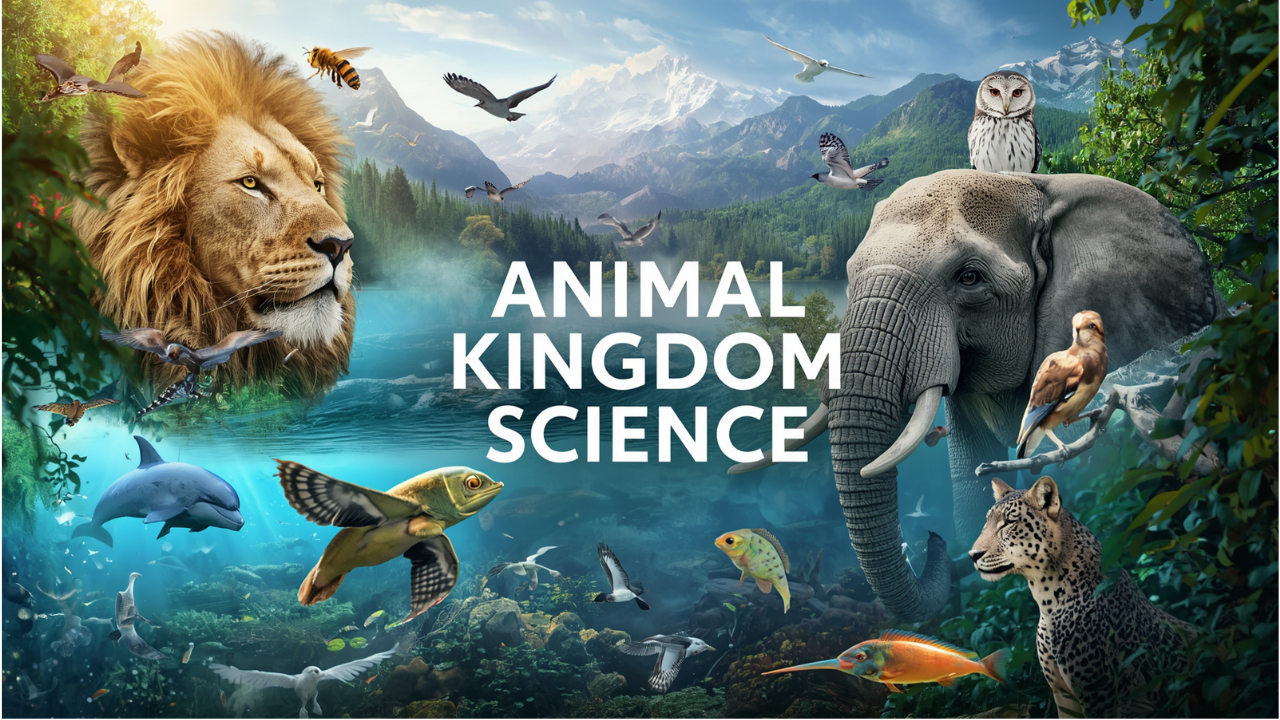
Animal Kingdom Science is a multidisciplinary field dedicated to understanding the complex interrelationships between animals and their environments. Encompassing various scientific disciplines, including biology, ecology, zoology, and environmental science, this domain aims to provide insights into the behavior, physiology, and conservation of wildlife. This holistic approach enables researchers and conservationists to comprehend not only individual species but also the ecosystems they inhabit.
At its core, Animal Kingdom Science seeks to address pressing issues that arise from human-wildlife interactions, habitat destruction, and climate change. By examining patterns of animal behavior and their adaptations to changing environments, scientists can devise strategies to mitigate the impacts of anthropogenic factors. The integration of genetics, ethology, and environmental studies offers a comprehensive understanding of species survival and ecological balance.
The significance of this field extends to wildlife education, emphasizing the imperative need for raising awareness about animal conservation. Educational initiatives aim to foster respect and responsibility toward wildlife, enabling individuals to appreciate the intrinsic value of biodiversity. Through outreach programs and community involvement, knowledge about local species and their habitats is disseminated, creating informed advocates for conservation efforts.
This blog post endeavors to explore the intricate aspects of Animal Kingdom Science, illustrating the critical role of wildlife education in fostering conservation efforts. By delving into various facets of this field, including species interactions, habitat dynamics, and conservation practices, we aim to illuminate the interconnectedness of life and the urgent need for advocating sustainable coexistence with wildlife. As we unveil these wonders, an enriched understanding will emerge, underscoring the pivotal role of education in catalyzing conservation initiatives.
The Importance of Wildlife Education
Wildlife education plays a pivotal role in shaping society’s understanding and interaction with the natural world. In an era marked by environmental challenges and biodiversity loss, fostering a comprehensive understanding of wildlife and its critical role within ecosystems emerges as a necessity. By educating individuals about various species, their habitats, and the intricate balance of ecosystems, we cultivate a deeper appreciation for nature, instilling a sense of responsibility towards its stewardship.
One primary benefit of wildlife education is its capacity to raise awareness about conservation issues. Through educational programs, individuals gain insight into the threats facing wildlife, from habitat destruction to climate change. This knowledge fosters a proactive approach among communities, encouraging them to engage in conservation initiatives actively. For example, communities informed about the consequences of deforestation are more likely to advocate for sustainable practices and support local conservation projects.
Moreover, wildlife education is instrumental in promoting biodiversity, which is crucial for the resilience of ecosystems. By understanding the importance of diverse species and their roles within their habitats, individuals are more likely to participate in efforts aimed at protecting these ecosystems and the myriad life forms they support. Schools and organizations that implement wildlife education programs often report increased participation in volunteering opportunities, fundraising efforts, and community awareness campaigns.
Additionally, wildlife education fosters a connection between people and their environments, especially for younger generations. Educational initiatives that involve hands-on experiences—such as wildlife watching, habitat restoration, and research projects—help cultivate a lifelong commitment to conservation. As individuals recognize their interconnectedness with nature, they are less likely to engage in harmful practices and more inclined to become advocates for wildlife preservation.
Animal Behavior and Communication
The realm of animal behavior and communication presents an intricate tapestry that reveals the complexities of interactions within the animal kingdom. These behaviors are not only fascinating in their own right but also serve as vital indicators of the ecological health and social structures of various species. Understanding these interactions is crucial for implementing effective conservation strategies.
Amongst the myriad of species, elephants and dolphins stand out due to their sophisticated communication methods. Elephants are known to utilize a variety of vocalizations, body language, and even infrasound—the low-frequency sound waves that can travel long distances. This has been observed when a herd responds to a distress call or coordinates during migration. Studies suggest that their ability to communicate over vast expanses enables them to maintain family bonds and social cohesion essential for their survival in the wild.
Similarly, dolphins employ a remarkable system of clicks and whistles to convey information. These vocalizations allow them to coordinate hunting strategies, establish social bonds, and even identify individual members within their pods. This complex communication plays a critical role not only in day-to-day interactions but also in navigation and foraging, skills that are vital for their survival.
Understanding the communication patterns of such intelligent species can significantly benefit conservation strategies. Enhanced awareness of these behaviors can lead to improved habitat protection efforts, as conservationists can create environments that allow natural communication methods and social structures to flourish. By applying behavioral knowledge, conservationists can foster more effective methods that promote coexistence between wildlife and human communities. Therefore, a comprehensive grasp of animal behavior is essential for fostering sustainable approaches to wildlife conservation.
Biodiversity and Ecosystem Balance
Biodiversity refers to the variety of life forms present in an ecosystem, encompassing the diversity of species, genetic variability, and the intricate relationships they share. It plays a crucial role in maintaining ecosystem balance, contributing not only to environmental resilience but also to the well-being of human populations. Healthy ecosystems depend on this biodiversity to function effectively, as each species fulfills specific ecological roles that contribute to the overall stability of their habitats.
The presence of diverse animal species sustains these ecological interactions, enhancing functions such as pollination, nutrient cycling, predation, and habitat construction. For example, in a wetland ecosystem, the interdependence between freshwater fish, amphibians, and aquatic vegetation illustrates how species rely on each other to thrive. The fish populations help control insect numbers, while amphibians contribute to nutrient cycling and serve as both prey and predator within their environment.
Another vivid example can be seen in coral reef ecosystems, where a multitude of species coexists, ranging from tiny zooplankton to large predatory fish. The symbiotic relationships found in these environments, such as the association between clownfish and anemones, illustrate how specific species provide benefits that enhance survival and reproduction. Coral reefs themselves are built from the calcium carbonate secreted by corals, which provides habitat for numerous marine species. The collapse of one species in this delicate balance can have cascading effects, leading to a decline in the entire ecosystem.
Overall, biodiversity fosters resilience to environmental changes and disturbances, allowing ecosystems to adapt and recover. By protecting our planet's biodiversity, we ensure the ongoing survival of various species and the essential services they provide for all living beings, thus preserving the health of the entire planet.
Adaptation and Evolution in the Animal Kingdom
Adaptation is a fundamental process by which animals evolve traits that enhance their survival within specific environments. This biological phenomenon underscores the intricate relationship between organisms and their habitats, enabling species to thrive in diverse ecological niches. Through natural selection, many species exhibit remarkable adaptations that facilitate better resource acquisition, predator evasion, and reproduction. Each adaptation addresses the distinct challenges posed by the environment, demonstrating the profound impact of evolutionary processes.
For instance, camouflage serves as a critical survival strategy for numerous reptiles and insects. Species such as the chameleon and the stick insect exhibit remarkable abilities to blend seamlessly into their surroundings, effectively evading predators. This adaptation not only enhances their chance of survival but also aids in ambushing prey. Camouflage illustrates how evolutionary pressures shape physical traits that optimize survival, showcasing nature's ingenuity in addressing challenges.
In extreme habitats, such as deserts and rainforests, animals have developed unique evolutionary adaptations to cope with harsh conditions. Desert-dwelling creatures, like the fennec fox and the cactus wren, have adaptations that mitigate water loss and regulate body temperature. These adaptations ensure survival in environments where resources are scarce. Conversely, the intricate ecosystems of rainforests host a variety of animals equipped with adaptations for thriving in dense vegetation and high humidity. For example, the poison dart frog displays brilliant coloration as a warning signal, a result of co-evolution with predators and offering a powerful testament to the complexity of adaptive evolution.
Ultimately, adaptation and evolution in the animal kingdom exemplify nature's remarkable capacity for innovation, illustrating the continuous struggle for existence. Understanding these processes enhances our appreciation of biodiversity and underscores the importance of conservation efforts aimed at preserving the intricate web of life on Earth.
Intriguing Tidbits About Wildlife
The animal kingdom is replete with astonishing facts that spark curiosity and admiration. Herein lies a collection of remarkable wildlife trivia that underscores the diversity and complexity of life on Earth:
- Hummingbird Heart Rates: Hummingbirds are among the smallest birds, yet their hearts can beat over 1,200 times per minute during flight, facilitating their rapid wing flapping and agile movements.
- Elephant Migrations: Elephants are known for their incredible memory and long-distance migrations. These majestic creatures can traverse up to 50 miles a day in search of food and water, often utilizing the same routes passed down through generations.
- Honey Bee Communication: Honey bees have a fascinating method of communication known as the "waggle dance." By performing this intricate dance, bees inform their hive mates about the distance and direction of nectar sources.
- Cuttlefish Camouflage: Cuttlefish are masters of disguise, capable of rapidly changing their skin color and texture to blend seamlessly into their surroundings. This ability aids in both predation and evasion from predators, showcasing their remarkable adaptive behaviors.
- Arctic Tern Migration: The Arctic tern holds the record for the longest migration of any animal, traveling approximately 71,000 kilometers (44,000 miles) annually between its breeding grounds in the Arctic and wintering areas in the Antarctic.
- Octopus Intelligence: Octopuses are known for their problem-solving skills and dexterity. They can navigate complex mazes, use tools, and even escape enclosures, highlighting their high level of intelligence compared to many other animals.
- Penguin Social Structure: Emperor penguins exhibit unique colony behavior. During harsh winters, they huddle together in tightly packed groups to conserve heat, demonstrating teamwork and social cohesion among the species.
These astonishing revelations about wildlife not only captivate but also deepen our understanding of the biological intricacies of the natural world. Recognizing these wonders is essential for promoting conservation and ensuring the survival of these extraordinary species.
The Role of Zoology and Entomology in Modern Science
Zoology and entomology are two vital branches of biological sciences that significantly contribute to our understanding of wildlife and ecosystems. Zoology, the study of animals, encompasses a broad range of disciplines including physiology, behavior, and ecology. This field is crucial in the investigation of animal life, offering insights into the diverse adaptations and interactions within various ecosystems. Furthermore, it plays an instrumental role in addressing pressing issues such as biodiversity loss, habitat destruction, and climate change impacts on animal populations.
On the other hand, entomology focuses specifically on insects, which represent the largest and most diverse group of animals on the planet. Insects are not only essential for the functioning of ecosystems but also serve as indicators of environmental health. Their study helps in understanding pollination, decomposition, and nutrient cycling, which are critical to maintaining ecological balance. Moreover, entomologists contribute significantly to agricultural practices by combating pests and enhancing pollination efforts, thus supporting food security.
Both fields of study offer invaluable insights that inform conservation efforts aimed at protecting wildlife and maintaining ecological integrity. By understanding species behavior, reproductive patterns, and habitat requirements, zoologists and entomologists provide critical information for developing effective conservation strategies. For example, research on breeding patterns and population dynamics can aid in the reestablishment of endangered species, while understanding the role of insects in ecosystems can enhance habitat management practices.
In summary, zoology and entomology are indispensable in modern science, as they deepen our knowledge of the animal kingdom and the intricate web of life within ecosystems. Their contributions facilitate informed conservation efforts, ensuring the survival of diverse species and the health of our planet for future generations.
Conclusion: The Future of Nature Education Online
As the digital landscape evolves, the future of nature education is increasingly being shaped by online platforms that make information about wildlife and conservation more accessible than ever before. These resources range from engaging wildlife documentaries to informative articles and interactive websites, all designed to raise awareness about the pressing challenges faced by our natural world. By harnessing the power of technology, educators and conservationists are reaching audiences beyond traditional classroom settings, fostering a deeper understanding of ecological issues.
Wildlife documentaries, in particular, serve as powerful tools for education and engagement. They not only showcase the beauty and diversity of the animal kingdom but also highlight the immediate threats posed by habitat loss, climate change, and poaching. These narratives capture the attention of viewers and inspire them to take action, making the case for the importance of conservation efforts. Furthermore, documentaries can spark discussions about responsible environmental behaviors, enlightening audiences on how their choices impact wildlife.
Moreover, an array of online resources is available for those seeking to learn more about wildlife. Websites dedicated to conservation initiatives, educational blogs, and social media platforms facilitate a vibrant community of learners who are passionate about nature. These resources offer invaluable information for individuals, families, and educators, allowing for enhanced understanding and appreciation of wildlife. Engaging with such content not only enriches personal knowledge but also cultivates a collective responsibility towards protecting our planet.
In conclusion, as we continue to explore the wonders of the animal kingdom, it is essential that we utilize online opportunities for education. By doing so, we equip ourselves with the necessary tools to contribute to wildlife conservation and foster a planet that thrives in biodiversity for generations to come.