Animal Diversity Explained: Evolution, Classification, Habitats & Amazing Wildlife Facts
6/11/20268 min read
Introduction to Animal Diversity
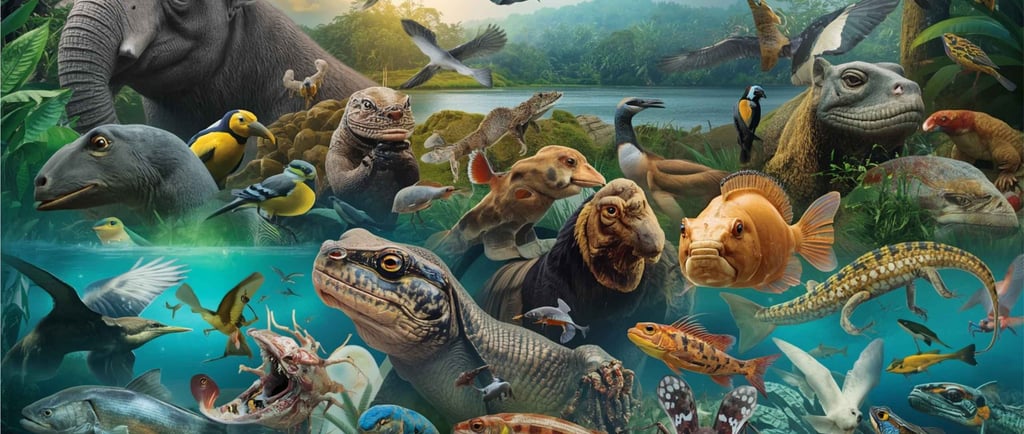
Animal diversity refers to the vast array of species that inhabit our planet, showcasing the complexity and richness of life on Earth. From the smallest microorganisms to the largest mammals, every species plays a vital role within its ecosystem and contributes to the overall balance of nature. The study of animal diversity is essential for understanding ecology, as it reveals how different organisms interact with one another and their environment.
In the context of evolution, animal diversity highlights the adaptability and variation among species over time. This diversity is the result of millions of years of evolutionary processes, including natural selection, genetic drift, and environmental changes. Each unique species has evolved specific traits that enable it to survive and thrive in its particular habitat, demonstrating how interconnected all life forms have become.
Furthermore, the broad spectrum of animal life is instrumental in conservation efforts. Recognizing the various species and their roles within ecosystems allows for better management of wildlife and natural resources. Conservationists emphasize protecting endangered species and their habitats, ensuring that future generations can continue to study and appreciate the diversity of life. This commitment to preserving animal diversity is not just about saving individual species; it is about maintaining the health and integrity of entire ecosystems, which ultimately supports human wellbeing.
In summary, animal diversity is a fundamental aspect of life on Earth, affecting ecological stability, evolutionary dynamics, and conservation strategies. Understanding this concept fosters a greater appreciation for the intricacies of our natural world and highlights the importance of preserving it for future generations.
Understanding Animal Diversity
Animal diversity is a multifaceted concept that encompasses the variety of life forms within the animal kingdom. It is generally categorized into several dimensions: species diversity, genetic diversity, ecological diversity, functional diversity, and evolutionary diversity. These categories help in understanding not only the sheer number of animal species but also the intricate relationships and interactions among different organisms.
Species diversity refers to the total number of different species present in a particular ecosystem or across the globe. Estimated figures suggest that there are between 8.7 million and over 30 million species on Earth, with a significant portion yet to be discovered. This vast number emphasizes the importance of ongoing research in biodiversity and species identification, as new species are regularly being documented, revealing the planet's untapped richness.
Genetic diversity entails the variation in genetic makeup among individuals within a species. This genetic variation is crucial for the adaptability and resilience of populations, enabling them to withstand environmental changes and diseases. Ecological diversity highlights the variety of ecosystems present, such as forests, oceans, and grasslands, each harboring distinct communities of animals that interact with their environments in unique ways.
Functional diversity encompasses the different roles that species play within an ecosystem; this includes aspects such as predation, competition, and symbiosis. Lastly, evolutionary diversity captures the historical development of species and their divergence over time, contributing to the overall complexity of life on Earth. The interplay among these various dimensions of animal diversity illustrates the intricate tapestry of life, underscoring the essential value of conserving biodiversity in all its forms.
Classification of Animal Diversity
The animal kingdom is immensely diverse, comprising various forms of life that are grouped into distinct phyla based on their unique features and evolutionary relationships. Understanding these classifications not only enhances our knowledge of animal diversity but also sheds light on the evolutionary lineage shared among different species.
One of the simplest phyla is Porifera, which includes sponges. These animals exhibit a porous body structure, allowing water to circulate through them, which facilitates feeding and waste removal. Following Porifera, Cnidaria is characterized by the presence of specialized cells called cnidocytes, which are used for capturing prey. Organisms such as jellyfish, corals, and sea anemones fall under this category.
The next phylum, Platyhelminthes, consists of flatworms. These creatures are known for their bilateral symmetry and lack of a true body cavity. Examples include the commonly known planarians and the parasitic tapeworms. Moving to the next category, Annelida represents segmented worms like earthworms and leeches, which exhibit a segmented body plan contributing to their adaptability and locomotion.
Mollusca is one of the most diverse phyla and includes organisms such as snails, clams, and octopuses, characterized by a soft body and often a hard shell. Following Mollusca is Arthropoda, the largest phylum comprising insects, arachnids, crustaceans, and more. These animals are distinguished by their jointed limbs, segmented bodies, and exoskeletons, representing a significant portion of Earth's animal diversity.
Finally, the phylum Chordata includes vertebrates, such as mammals, birds, reptiles, amphibians, and fish, characterized by a notochord at some stage of development. This classification plays a crucial role in understanding the evolutionary paths taken by different species and highlights the rich biodiversity that exists within the animal kingdom.
How Animals Adapt to Different Habitats
Animals have evolved a myriad of adaptations that allow them to survive and thrive in various habitats, ranging from arid deserts and dense forests to expansive marine environments and frigid Arctic regions. These adaptations can be classified into three primary categories: physiological, behavioral, and structural, each playing a crucial role in enhancing an animal's ability to cope with its surroundings and compete for resources.
Physiological adaptations involve changes in an animal’s internal processes to improve survival in challenging environments. For instance, desert-dwelling animals, like the fennec fox, have developed efficient kidney functions that minimize water loss. Additionally, their nocturnal behavior allows them to avoid the extreme heat of the day, thus conserving energy and water. Such adaptations are essential in deserts where water sources are scarce.
Behavioral adaptations refer to the actions that animals take in response to environmental stimuli. Many species display migratory behavior, traveling vast distances to exploit seasonal resources. For example, the Arctic terns migrate thousands of miles between the Arctic and Antarctic to access abundant food supplies and favorable breeding conditions. This behavioral strategy ensures survival in fluctuating environments and helps avoid harsh conditions.
Structural adaptations encompass physical features that aid survival. A notable example is the thick fur of polar bears, which insulates them against the cold temperatures of the Arctic. Their white coats also provide camouflage, making it easier for them to hunt seals on the ice. In forests, tree-dwelling sloths possess long limbs and curved claws that allow them to navigate the high branches with ease, promoting safety from ground predators.
Overall, the dynamic interplay of these adaptations underscores the resilience of animal species in the face of environmental challenges, highlighting the extraordinary diversity of life on Earth. By examining these modifications, we gain a deeper understanding of how animals fit into their respective ecosystems and maintain the delicate balance of biodiversity.
Why Animal Diversity Matters
Animal diversity plays a crucial role in maintaining the ecological balance of our planet. The variety of animal species contributes significantly to ecosystem stability, enhancing resilience against environmental changes and disturbances. In a diverse ecosystem, different species interact with one another and their environment in complex ways, promoting a healthier and more robust ecological system.
One of the primary functions that animal diversity serves is supporting food chains. Every species has a role in its habitat; predators, prey, and decomposers create a complex web of interactions. This interdependence is critical, as the decline of one species can trigger a domino effect, disrupting the entire food chain and endangering ecosystem health.
Moreover, various animal species contribute to essential ecological processes such as pollination and pest control. For instance, many insects, birds, and bats play vital roles in pollinating plants, which is necessary for the reproduction of many crops and wild flora. Pest control is also enhanced by animal diversity, as diverse predator species can help manage pest populations naturally, reducing the need for synthetic pesticides that can harm the environment.
Beyond their ecological roles, animals have immense value in scientific research and innovation. From medical discoveries to agricultural advancements, the unique characteristics of specific species can inspire new technologies and treatments. By studying the adaptations of diverse animals, scientists can develop solutions to various challenges faced by humanity, such as disease and food security.
However, the ongoing decline in biodiversity poses significant risks to ecosystem health and consequently to human survival. The loss of animal species can lead to weakened ecosystems, diminished resources for food and medicine, and increased vulnerability to environmental changes. Protecting animal diversity is therefore imperative not only for nature but also for the future of human civilization.
Amazing Facts About Animal Diversity
Animal diversity is a fascinating subject, revealing the astonishing adaptations and behaviors exhibited by species around the globe. From the vast savannas of Africa to the dense rainforests of the Amazon, every ecosystem is rich with unique animals that have developed remarkable traits for survival. For instance, the Arctic fox possesses a thick, insulating fur coat that changes color with the seasons; white in winter for camouflage against the snow and brown in summer, blending in with the earth. This anti-predation strategy emphasizes how animals adapt structurally to their environments.
Equally captivating are the social structures found within various animal species. Take the African elephant, known for its complex social networks and emotional intelligence. These matriarchs lead their herds, exhibiting behaviors such as mourning their dead and displaying empathy towards one another. Such social structures allow for collective decision-making and enhance survival rates, highlighting a sophisticated level of inter-species interaction.
Moreover, animal diversity plays a crucial role in maintaining ecosystem balance. The role of bees as pollinators demonstrates this aspect effectively; they are essential for the reproduction of numerous flowering plants, thus supporting entire food webs. Without these industrious insects, numerous plant species would decline, leading to cascading effects throughout the ecosystem. Another example is the keystone species concept, where certain animals, like sea otters, maintain the health of their ecosystem by controlling predator populations and promoting biodiversity.
These instances illustrate just a glimpse into the world of animal diversity. Through their remarkable adaptations, intricate social behaviors, and essential ecosystem functions, animals demonstrate the interconnectedness and beauty of life on Earth. As we explore further, the stories of these species reveal not only captivating facts but also the vital importance of preserving their natural habitats for future generations.
Conclusion: Protecting Animal Diversity
The significance of protecting animal diversity and the broader concept of biodiversity cannot be overstated. As we have explored throughout this blog, animal diversity encompasses the vast array of species that inhabit our planet, each playing a unique role within their ecosystems. The intricate relationships between these species and their environments contribute not only to the sustainability of nature but also to the wellbeing of humanity. Diverse ecosystems offer essential services, including clean air and water, pollination of crops, and regulation of climate, all of which are fundamental to human survival.
Unfortunately, human activities such as deforestation, pollution, and climate change pose severe threats to this vital diversity. These factors have led to the rapid decline of many species, pushing them toward extinction and disrupting the delicate balance of ecosystems. It is imperative that society prioritizes the protection of animal diversity by implementing and supporting conservation efforts. This can be achieved through a variety of actions, including habitat conservation, sustainable practices in agriculture and industry, and promoting awareness about the importance of wildlife and ecosystems.
Individuals also play a critical role in this endeavor. By making conscious choices in daily life—such as reducing waste, supporting sustainable products, and engaging in local conservation initiatives—people can contribute to the larger movement of preserving animal diversity. Education and awareness are key components in fostering a collective sense of responsibility toward all living beings. Understanding that our actions, no matter how small, can have significant impacts on wildlife and ecosystems is crucial for fostering a culture of conservation.
Ultimately, protecting animal diversity is not just an environmental concern; it is a moral and ethical obligation. As stewards of this planet, humans have the capacity to safeguard the incredible wildlife that shares our home, ensuring that future generations inherit a vibrant and diverse natural world.